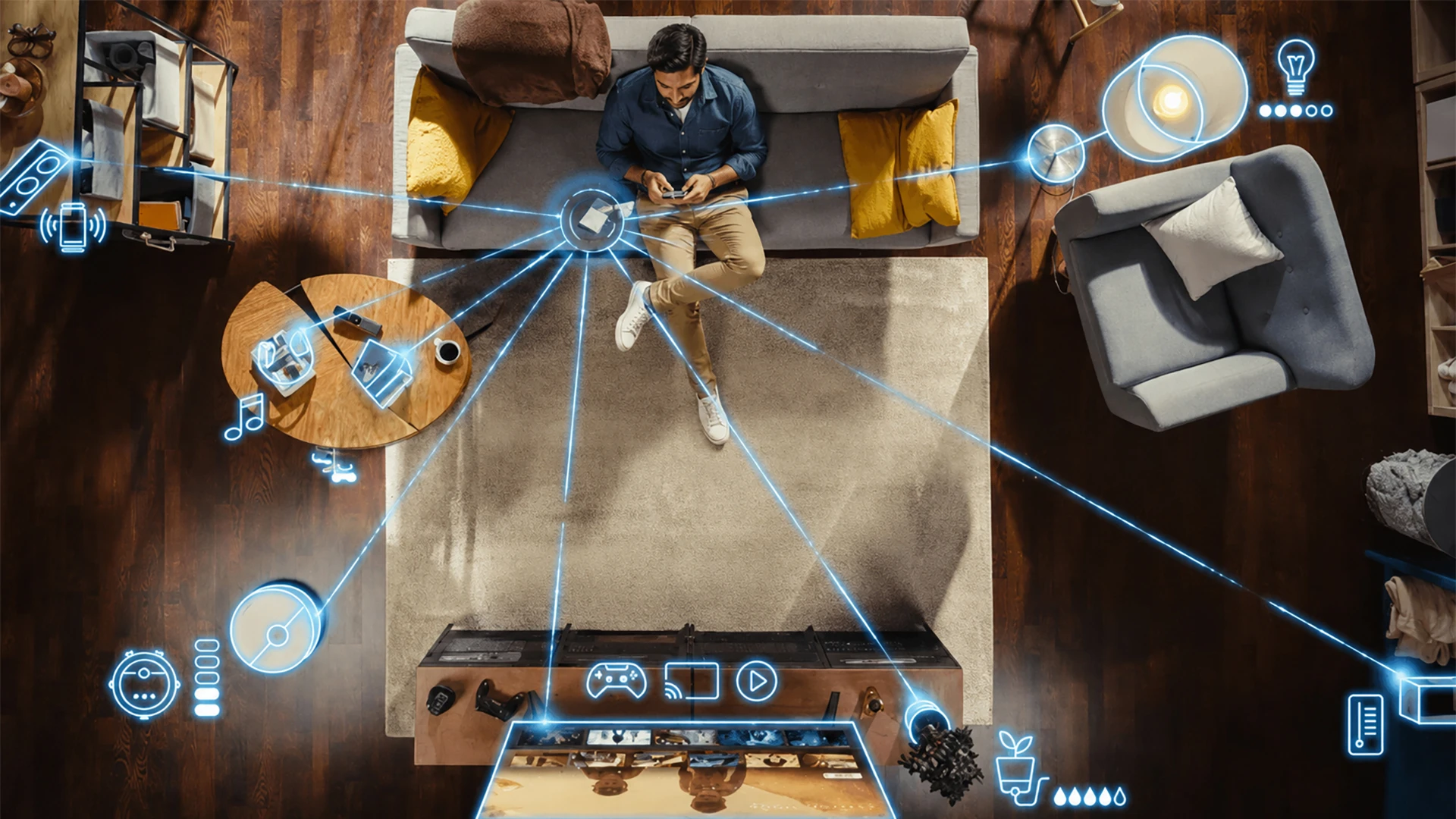
The Indian residential landscape is experiencing a digital transformation that defines modern living. This is evident in the growing demand for smart homes in the country, with a market worth ₹90,000 crore today. This worth is expected to reach ₹1,40,000 crore by 2028.
As urban lifestyles evolve, homeowners are choosing technology that improves safety, comfort and efficiency.
Key features of smart homes
Smart lighting and energy controls
In 2025, the Indian smart lighting market reached a valuation of US$ 1,216.8 million. These modern lighting systems allow brightness and colour adjustment through mobile applications and use motion sensors to turn off lights when rooms are empty. This saves electricity in unoccupied areas of the house.
Voice-controlled virtual assistants
Virtual assistants serve as the central hub for managing various automated household tasks. These AI-driven tools respond to simple voice commands to play music or provide updates. They integrate with other smart devices to create an intuitive, hands-free environment for your home.
Advanced security solutions
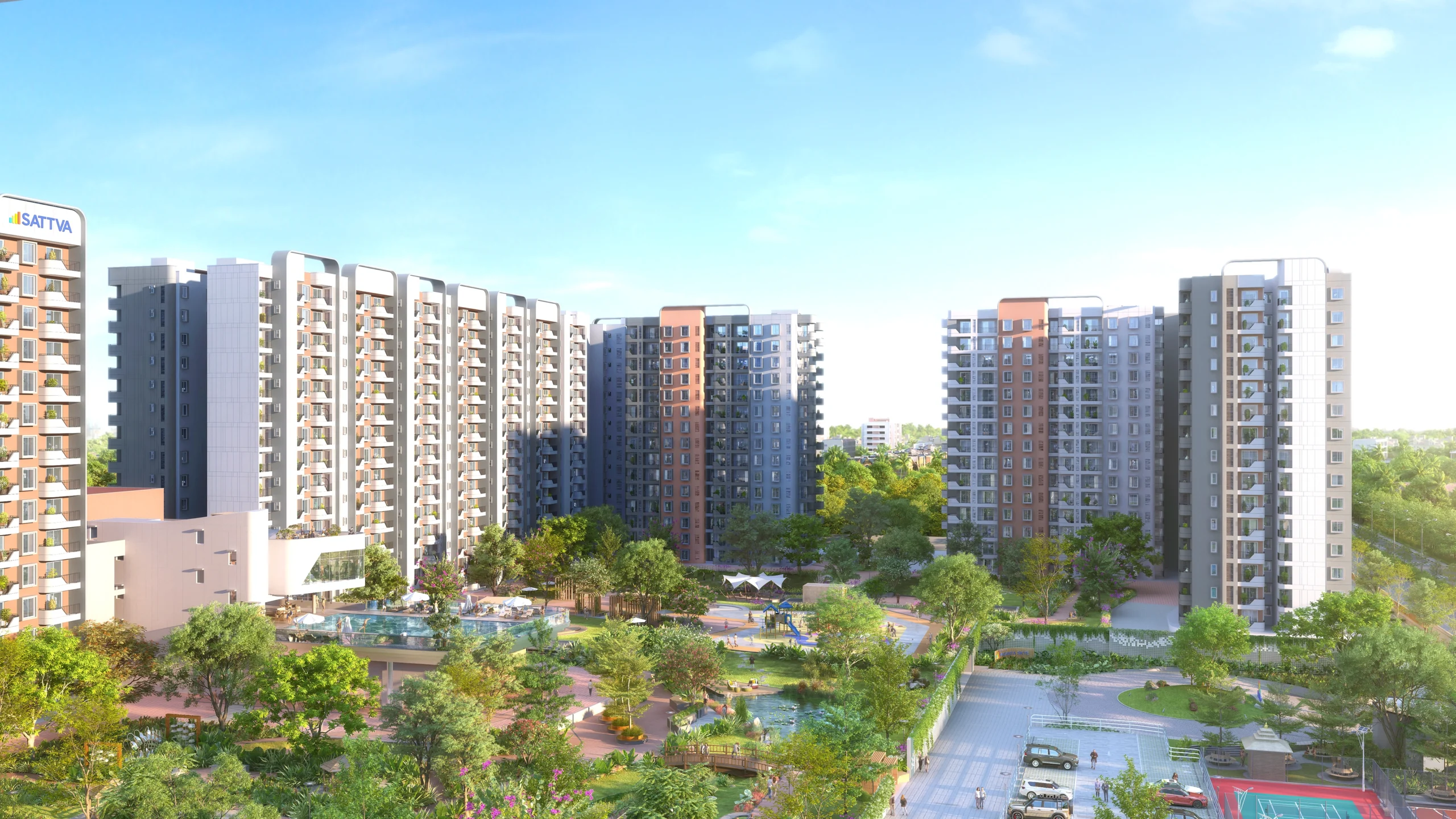
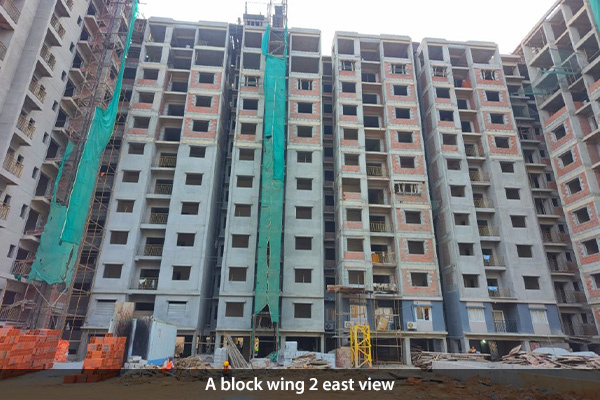
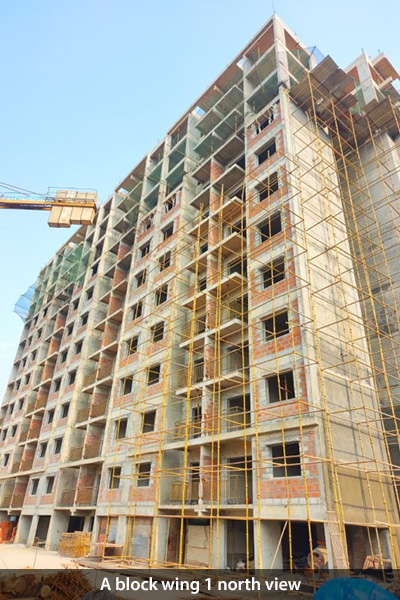
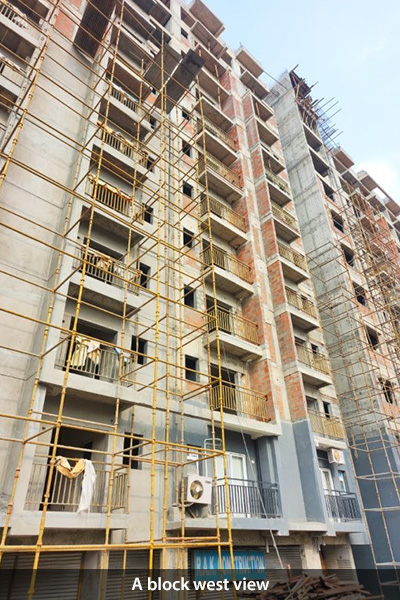
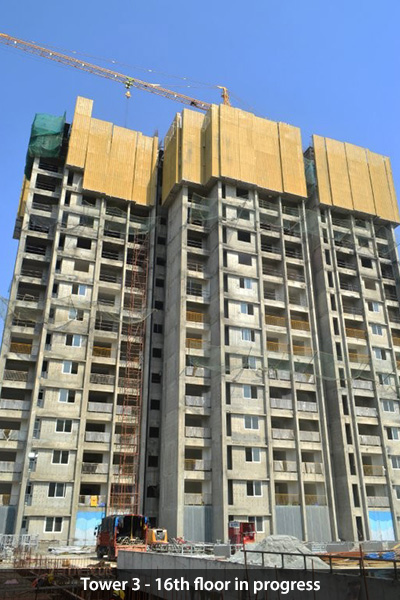
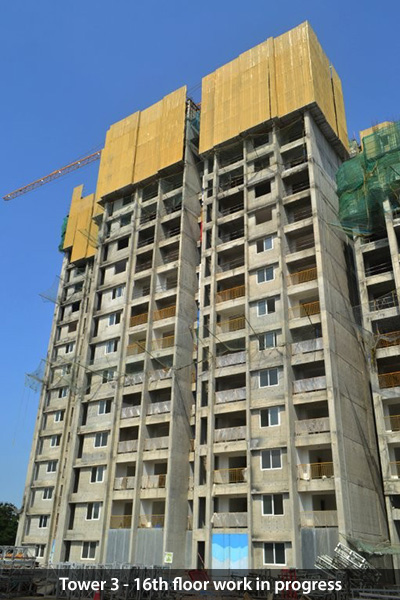
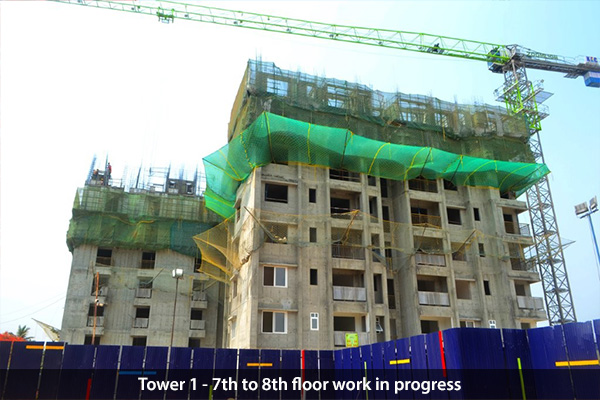
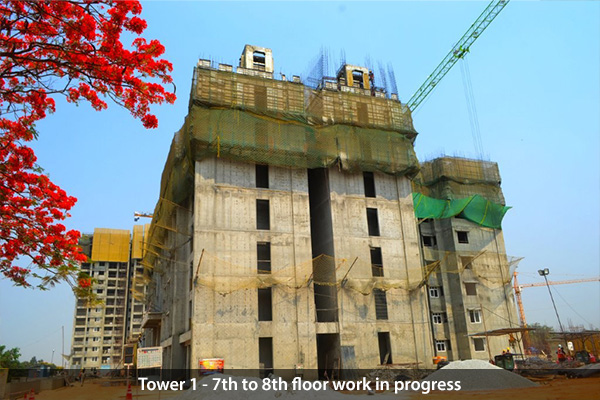
The security device market is the fastest-growing segment in smart home technology, accounting for roughly 14 percent of the total share. Home safety now includes smart cameras and biometric sensors. From centralised security hubs to video door phones, new properties like Sattva Greenage are already streamlining security with modern solutions.
Smart appliances and connectivity
India emerged as the fastest-growing market for smart kitchen appliances in the Asia Pacific, with a value of around ₹9,255 crore in 2022. Connected refrigerators, washing machines and ovens can now be monitored from any remote location, offering better performance and diagnostic tools to alert you about maintenance needs.
Remote access through mobile applications
Digital apps let you monitor every connected device in your home through a single automated interface. This feature provides a superior level of control and flexibility, evident in smart-home vs traditional-home comparisons.
Automated climate control systems
The market value of HVAC in India will reach US$ 49.02 billion by 2034. Smart air conditioners and thermostats are expected to learn user preferences to maintain indoor temperature. It prevents unnecessary energy expenditure during the peak summer months, lowering monthly utility bills.
IoT-enabled device connectivity ecosystem
IoT-based energy management systems can reduce energy consumption by up to 20 percent in commercial spaces. They create a unified network in which all electronic devices communicate without technical glitches. This level of synchronisation is the backbone of a truly intelligent and responsive home.
Benefits of smart homes in India
Better safety and monitoring
Smart homes provide continuous monitoring through cameras, sensors and automated alerts. These systems help detect threats quickly and enable faster response actions. Real-time monitoring enhances family safety, even when you are travelling or away.
Improved energy efficiency and savings
Automated systems are designed to optimise the use of resources like water and electricity. Energy-efficient smart settings reduce average consumption by 10-15 percent. Devices automatically enter power-saving modes when not in use. These small daily savings add up to substantial financial benefits for the household.
Convenience and time-saving through automation
Simple routines can be programmed to execute multiple actions with a single tap. Automation handles repetitive tasks, such as switching lights, controlling appliances and managing security. It allows residents to focus on more important personal tasks, adding hours of productive time to their busy schedule.
Increased property value and appeal
About 72 percent of luxury homebuyers prefer residences with smart technology.
This increases property prices, and investors recognise that tech-enabled homes remain relevant for longer than traditional residential units. These properties offer higher rental yields due to their modern amenities and security features.
Better accessibility for elderly users
India’s senior living market will grow from ₹40,700 crore in 2026 to ₹13 lakh crore by 2031. Technology provides vital support to India’s ageing population, enabling them to live more independently.
Voice commands eliminate the need for seniors to reach for difficult or high-placed switches. Automated medication reminders and fall detection sensors provide an extra layer of safety.
Reduced environmental impact and sustainability
Adopting smart technology is a significant step toward a greener, cleaner planet. Green buildings could lead to a 35 percent reduction in emissions.
By reducing waste, these homes contribute to the national goals of energy conservation and sustainability. Smart sensors can also monitor water usage to prevent leakages and unnecessary garden irrigation.
Potential of next-generation housing in India
Growth of 5G network infrastructure
The rollout of high-speed 5G internet is the primary catalyst for the expansion of smart homes. Since October 2022, 5G services have reached 99.6 percent of all districts nationwide.
In 2026, the focus is expected to move towards private 5G networks for gated communities. This infrastructure provides the low latency required for devices to communicate instantly without delays. Faster internet allows devices to be connected simultaneously without crashing the home network.
Integration with AI and machine learning
The next generation of smart homes will use artificial intelligence to predict user needs instead of manual programming and automatically adjust settings.
AI-powered homes can analyse patterns to suggest better energy-saving routines tailored to your specific lifestyle. Machine learning will also improve security by distinguishing between regular visitors and potential intruders.
Increased adoption in tier-2 cities
The smart homes market in India is projected to grow by 9.14 percent from 2024 to 2028. Improved internet penetration and rising disposable incomes in Tier-2 cities are driving this local demand.
Developers are launching tech-integrated projects in cities like Jaipur, Kochi and Lucknow. This geographic expansion ensures that smart living becomes a standard across India.
Government initiatives and digital push
National policies are laying the foundation for the development of tech-driven urban infrastructure. The Smart Cities Mission was allotted ₹47,652 crore from the Union Budget. It enables the integration of smart technologies in residential and commercial urban planning.
Digital India initiatives have also made citizens more comfortable using technology for their daily needs.
Conclusion
Smart homes offer a compelling blend of technology, comfort and sustainability for the modern Indian family.
Leading developers like Sattva Group are already integrating these innovations to create future-ready homes. As 5G and AI smart homes continue to evolve, our living spaces will become even more intuitive.