
The average congestion level in India has reached 51.5 percent, making daily travel a stressful ordeal for millions of citizens. Urban residents are shifting towards live-work-play developments that promise a life away from heavy traffic.
These integrated hubs are designed to prioritise human needs, ensuring that every essential service is available within a small, walkable distance. This article explores why these communities are becoming the top choice for modern homebuyers today.
What is a 15-minute city?
A 15-minute city is an urban planning model focused on human-centric design. It ensures that residents can access a variety of services within a 15-minute walk or cycle. It includes nearby work, grocery stores, schools, healthcare and leisure spaces.
The goal is to reduce dependency on cars and lower carbon emissions. It fosters a more sustainable, socially connected, and healthier way of urban living.
Features of a 15-minute city
Integrated residential and commercial zones
By 2030, about 35-40 percent of real estate supply in urban India will be mixed-use. This shift ensures that professionals can live right next to their workplaces or co-working hubs, reducing the need for long-distance travel across the city.
Well-connected pedestrian-friendly streets
In some major urban hubs, almost 50 percent of the city’s population depends on walking for their daily movement. It requires wide, unobstructed pavements and safe crossings at every major junction. High-quality pedestrian paths encourage people to walk rather than drive for short distances.
Easy access to public transportation
Strong transit links are vital for journeys that extend beyond the local neighbourhood. As of 2022, India has a road network of 66.71 lakh kilometres and a railway network spanning 68,103 kilometres as of 2022. A 15-minute city integrates these networks seamlessly with local neighbourhoods, enabling residents to remain connected.
Everyday essentials within easy reach
A vibrant community needs a variety of places to eat, shop and socialise. Developers building integrated townships with retail and daily needs are meeting this growing demand.
Essential services like grocery stores, pharmacies and banks remain within close reach. From local boutiques to diverse restaurants, these centres support local entrepreneurs and keeps the neighbourhood and local economy thriving.
Availability of healthcare and education nearby
70 percent of urban students are enrolled in private schools. Access to top-tier social infrastructure is a non-negotiable feature for modern families moving into these zones. Having clinics and schools nearby reduces the morning rush and ensures immediate care during emergencies.
Presence of green spaces and parks
Adding green spaces near population centres can provide 2.7 times the health benefits compared to isolated parks. Integrating nature into the neighbourhood through these parks and green spaces helps cool the urban environment and improve air quality. These spaces act as the “lungs” of the community, offering areas for exercise and relaxation.
Safe and inclusive neighbourhood
It is designed to be accessible for everyone, including children, seniors and people with disabilities. Well-lit streets and active storefronts create a “natural surveillance” effect that enhances safety. Inclusive design ensures people can move freely throughout the community and interact with others.
Cycling and micro-mobility infrastructure
At least 90 percent of urban Indians believe that cycling can effectively reduce carbon emissions. Dedicated cycle lanes and bike-sharing stations make micro-mobility a viable alternative to cars. This infrastructure helps reduce traffic noise and promotes a healthier lifestyle.
Shared workspace in the community
Modern walkable communities are also “smart” cities that depend on technology to support remote and hybrid work. India has 958 million active internet users as of 2026, highlighting the need for reliable digital infrastructure. High-speed connectivity allows residents to work from local cafes or co-working spaces without any lag or interruptions.
Benefits of living in a walkable community
Improved health
Approximately 15 percent of India’s adult population experiences mental health issues, often worsened by urban isolation. Besides lowering stress and improving psychological well-being, walking daily significantly boosts heart health and reduces the risk of chronic diseases.
Enhanced property value and buyer demand
Buyers seek homes with green spaces, EV-friendly parking and smart security. Walkability is now a premium feature that ensures long-term capital appreciation by offering a superior lifestyle.
Lower carbon footprint and sustainable living
Sustainable urban design is crucial for meeting global climate goals. India is accountable for 8 percent of global carbon emissions. Choosing to walk or cycle directly contributes to a cleaner environment and lower air pollution.
Stronger sense of community engagement
When people walk through their neighbourhoods, they are more likely to interact with their neighbours. It builds a tight-knit community and a reliable social support system for everyone. Local events and shared spaces further strengthen the vital bonds among residents.
Increased convenience and work-life balance
47 percent of the Gen Z population in India prioritises work-life balance. Walkable communities with schools, healthcare and offices allow for a seamless daily routine. This convenience translates into a more relaxed, organised way of living and better time management, supporting long-term career satisfaction and personal growth.
Cost and time savings for transportation
The average one-way commute time in India is nearly 59 minutes. A walkable neighbourhood helps its residents save hours every single week. It also leads to savings in fuel and vehicle maintenance costs, which can be redirected towards profitable investments or lifestyle improvements.
Enhanced security features
The Indian smart home security market size reached US$ 1.7 billion in 2025. Modern walkable communities often integrate these advanced technologies to ensure their residents’ peace of mind. Features like AI-powered cameras, smart locks and 24/7 monitoring work silently in the background to protect homes and public spaces.
Conclusion
The 15-minute city is the future of sustainable urban living in India. It offers a healthier, more convenient and deeply connected lifestyle for every resident.
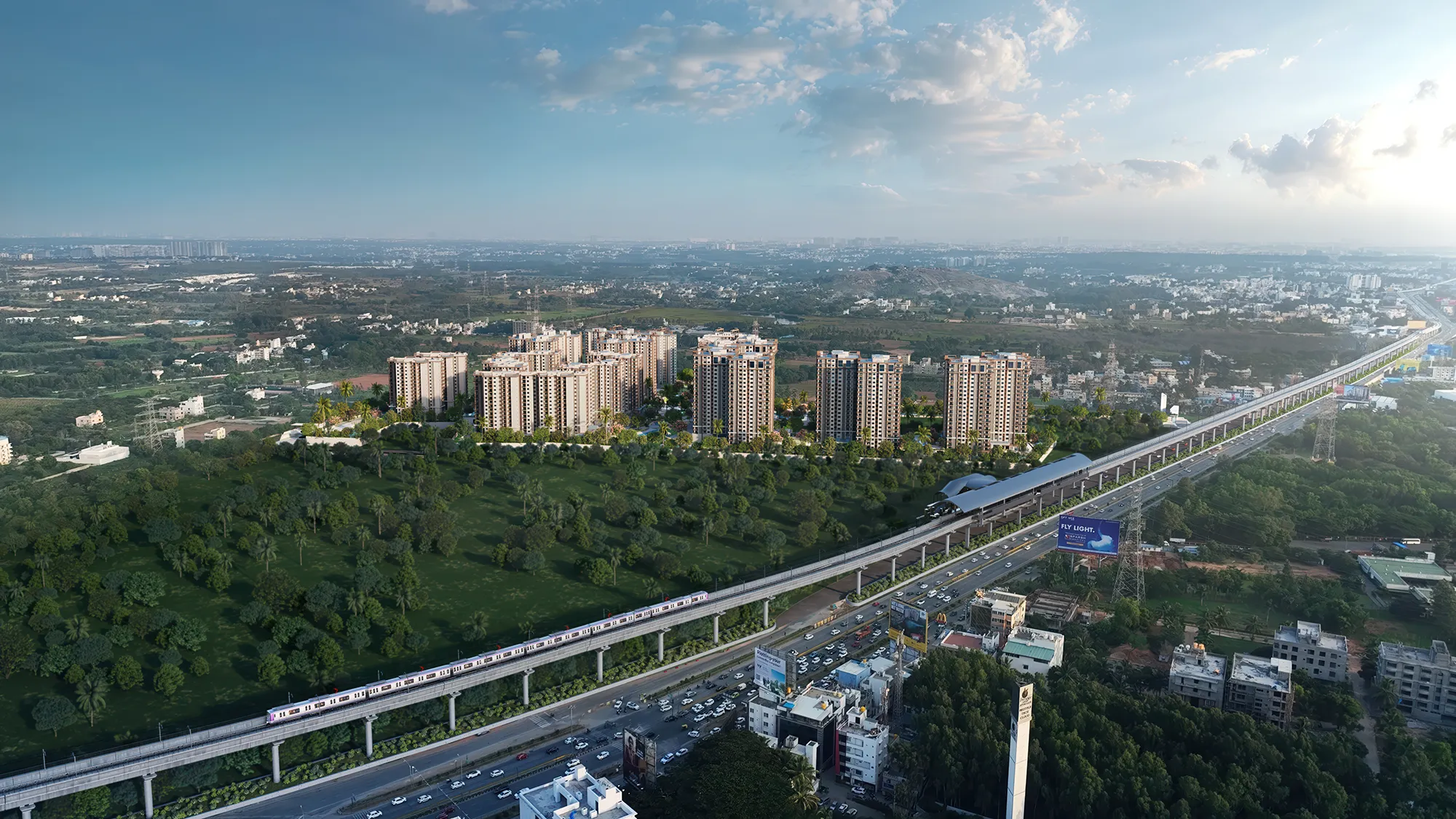
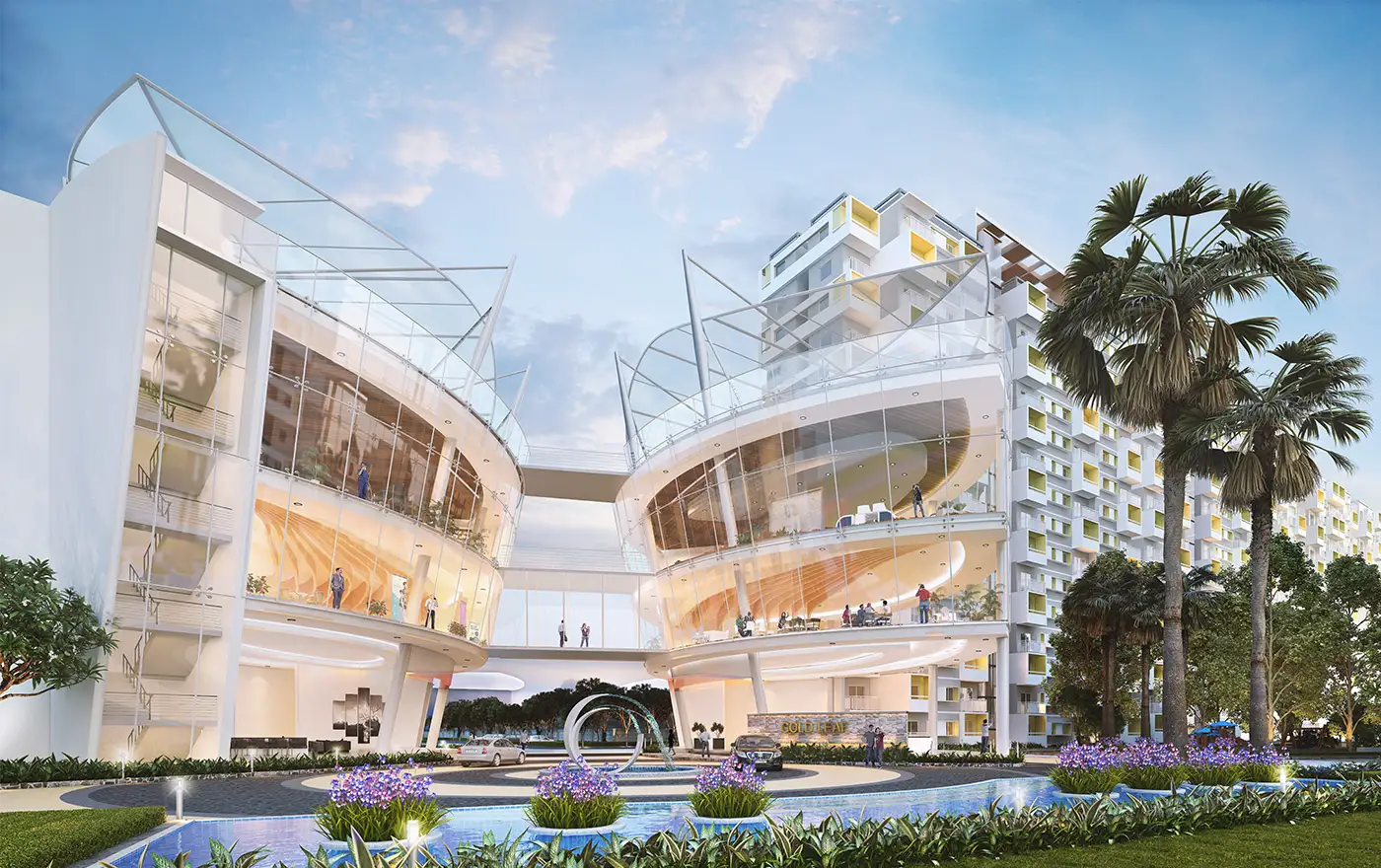
For those seeking premium, compliant and well-planned high-rise flats, Sattva City offers exceptional options for 2, 3 and 4 BHKs spread across 50 acres, redefining modern living.