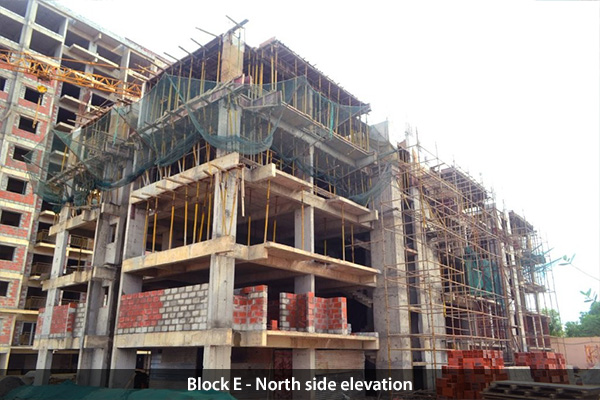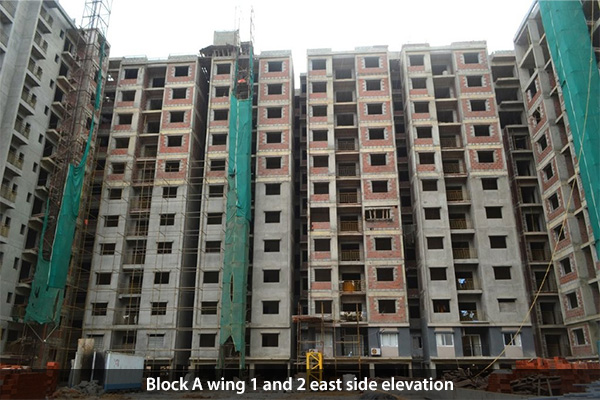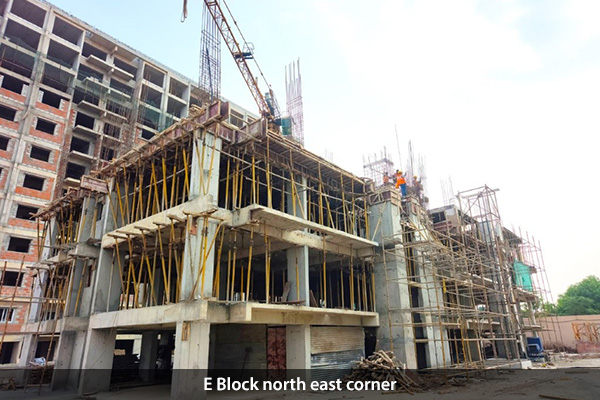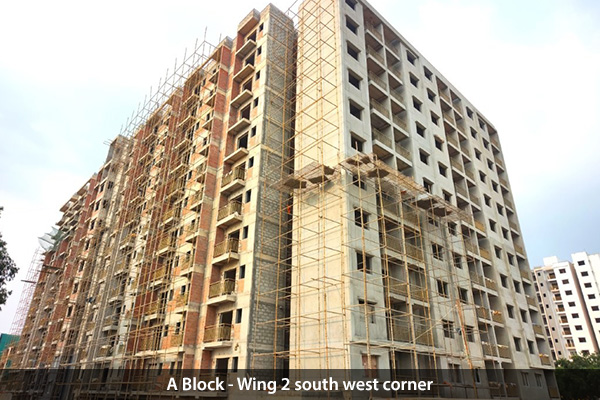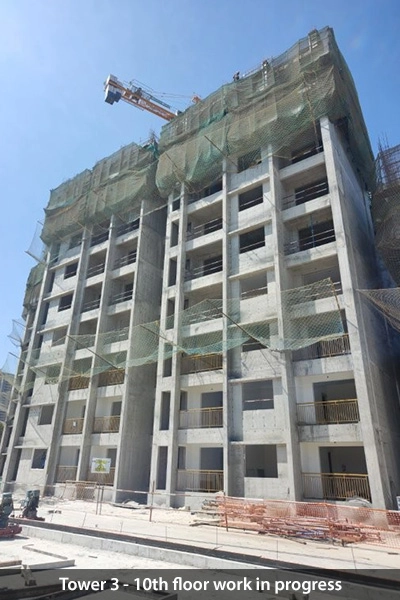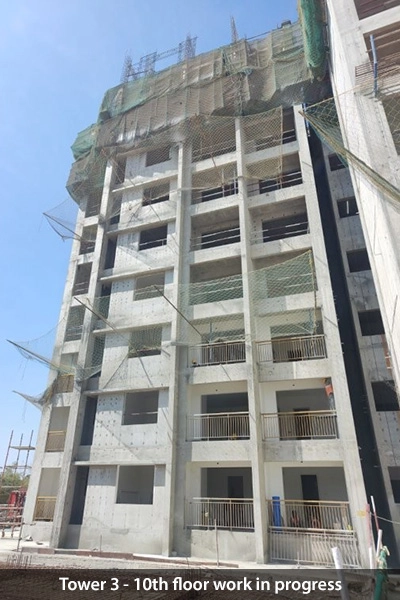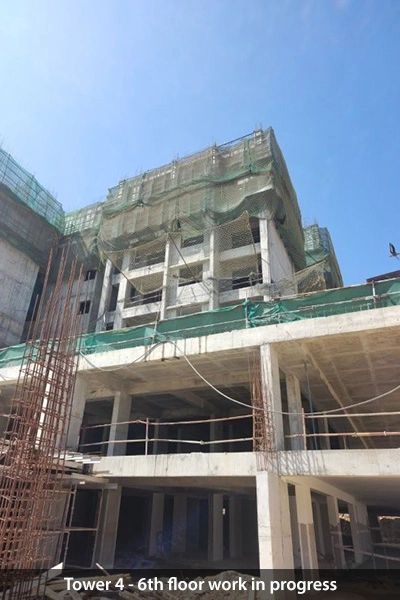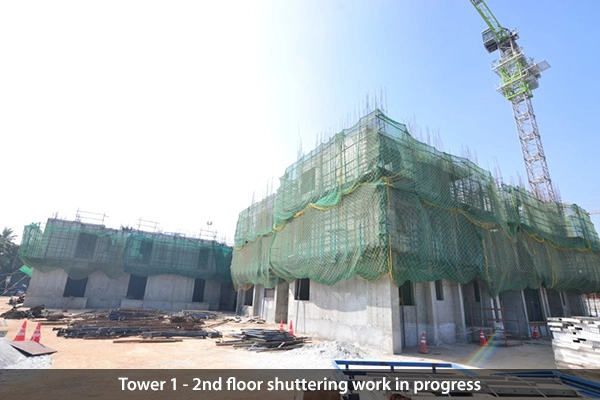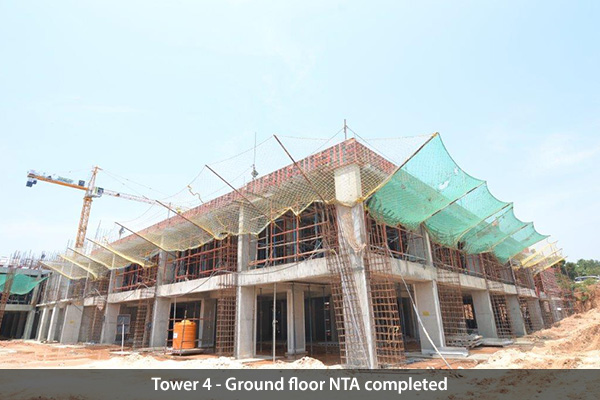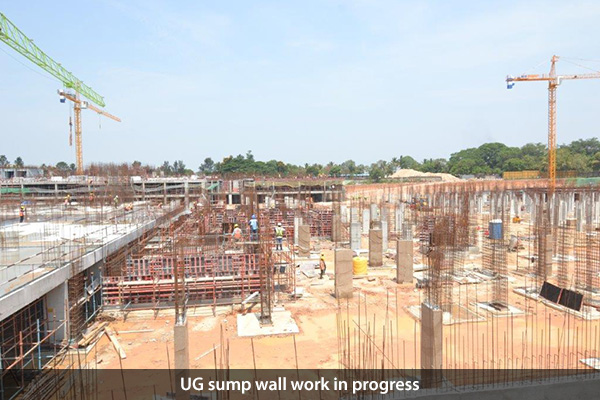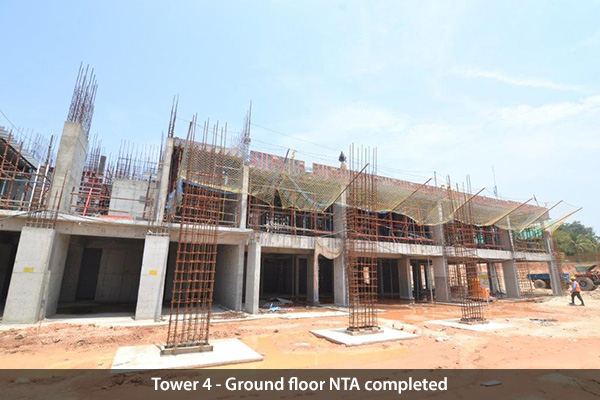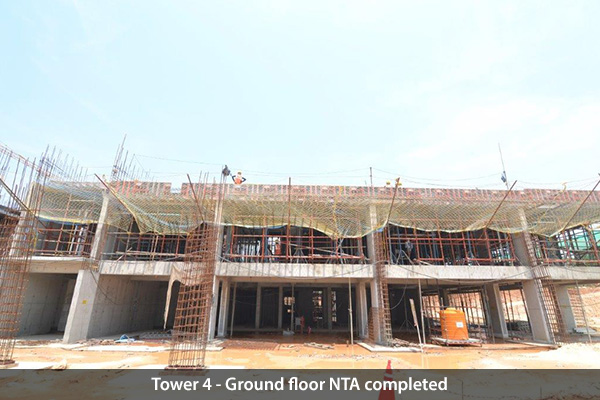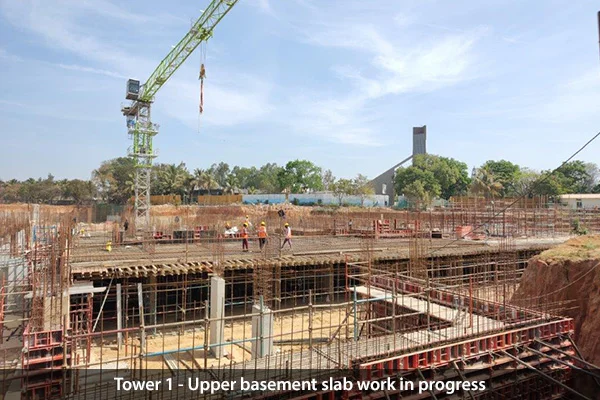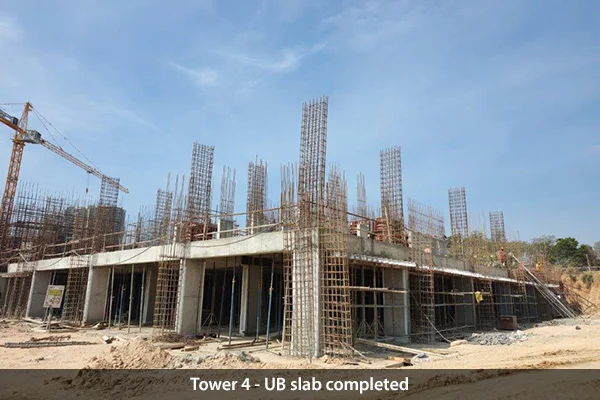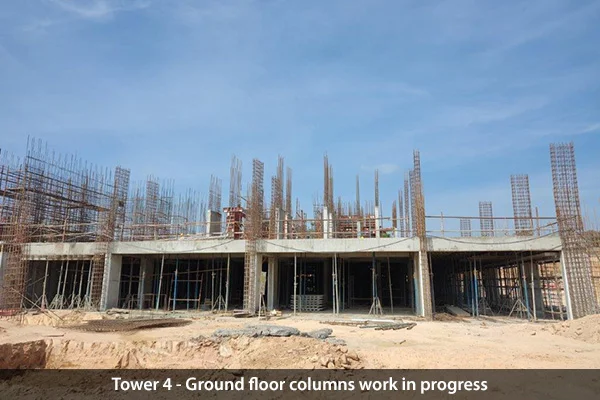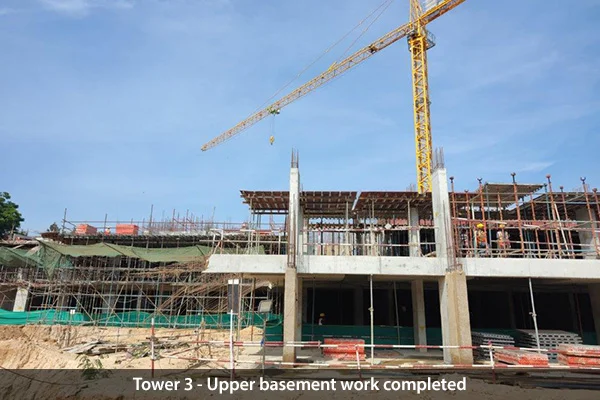
The Indian real estate landscape is undergoing a transformative shift driven by collaborative investment models. In 2024, nearly 70 percent of Bengaluru’s housing assets were developed through the Joint Development Agreement (JDA), highlighting the model’s dominance in urban expansion.
With land deal volumes reaching nearly 1,700 acres across major Indian cities in 2024, let’s discover how JDAs function and their impact on high-value property decisions.
Understanding the JDA meaning
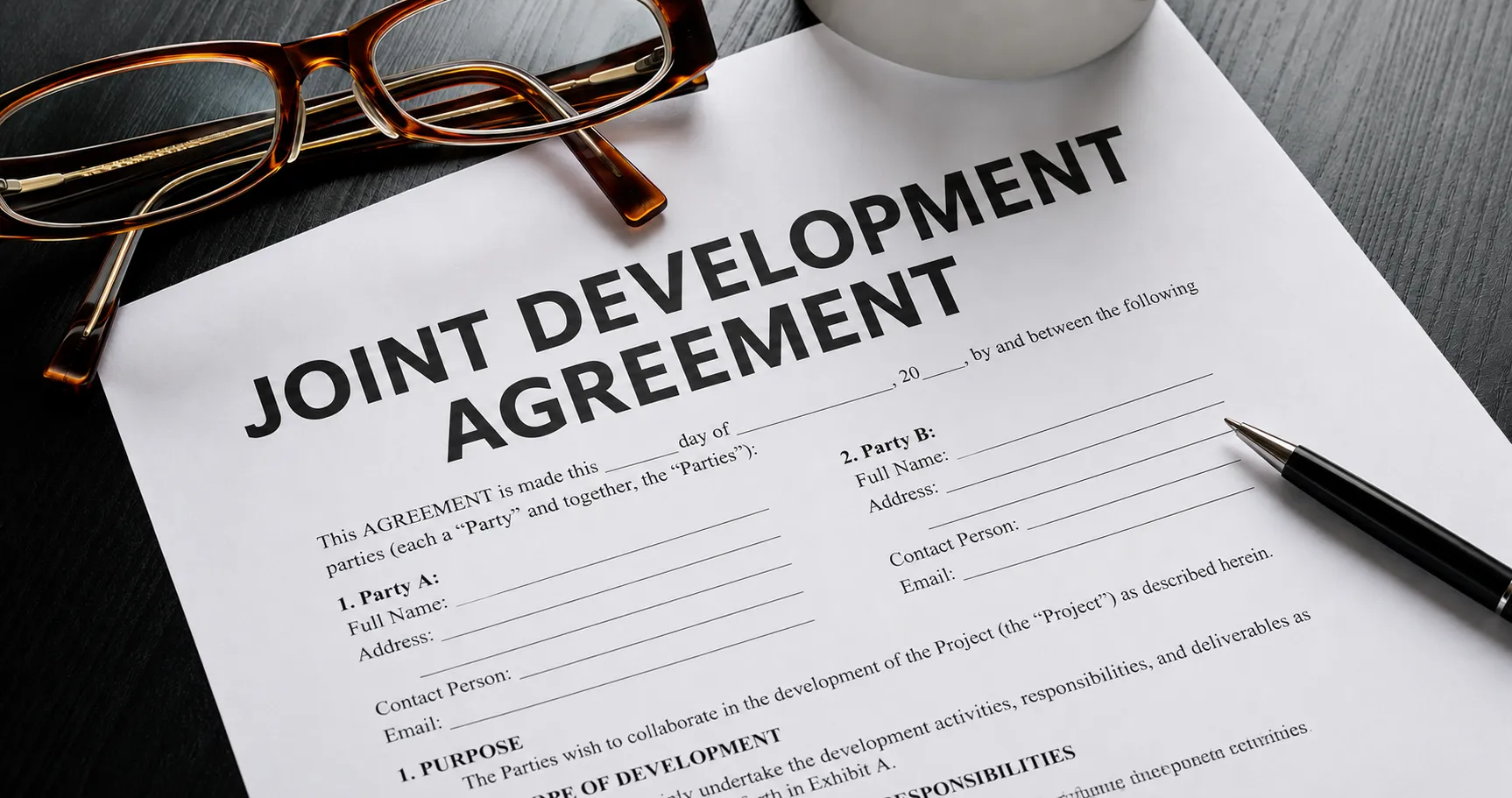
A Joint Development Agreement is a legal contract between a landowner and a developer. The landowner provides the land, while the developer manages the construction and permissions. It is a resource-sharing model that creates high-value residential inventory without the builder having to buy any land outright.
How does a Joint Development Agreement work?
Initial agreement and signing phase
The process begins with the execution of a formal JDA under the Indian Registration Act, 1908, which outlines the project’s scope. Registration provides a transparent framework for the project from the very first day.
Land contribution by the owner
The landowner contributes the physical site, which is the project’s most valuable underlying asset. This contribution allows developers to focus their capital on construction and approvals, unlocking the potential of premium land.
Resource mobilisation by the builder
The developer brings in the financial capital, architectural expertise and the necessary workforce. They handle all statutory approvals, including environmental clearances and municipal sanctions required for high-rise buildings.
Construction and project execution stage
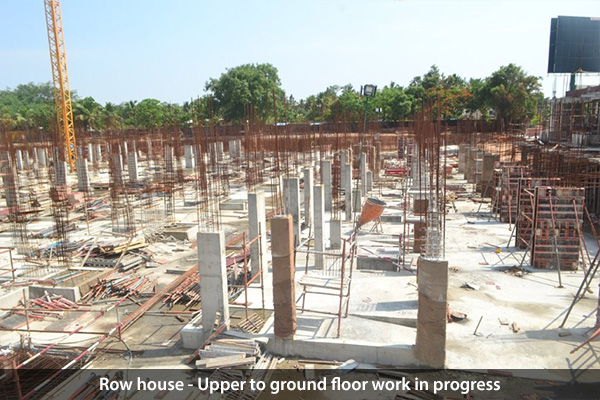
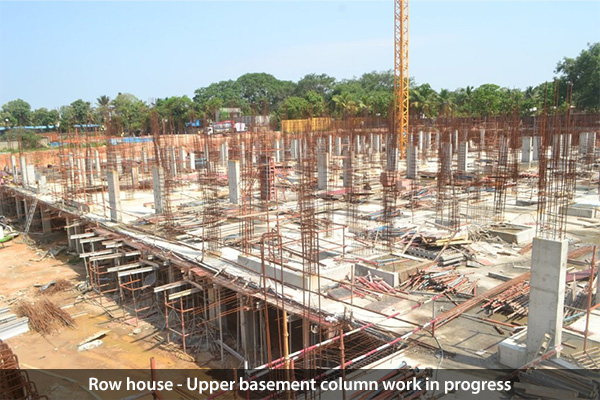
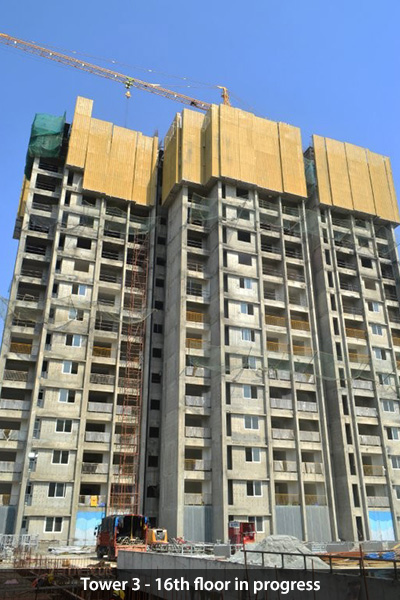
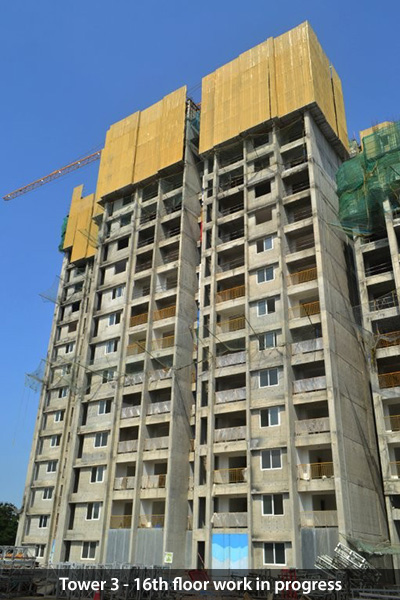
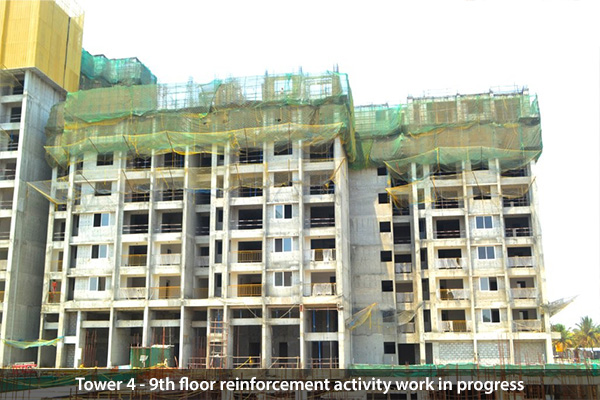
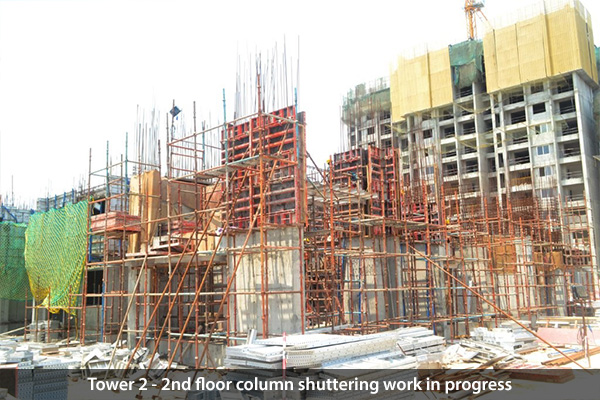
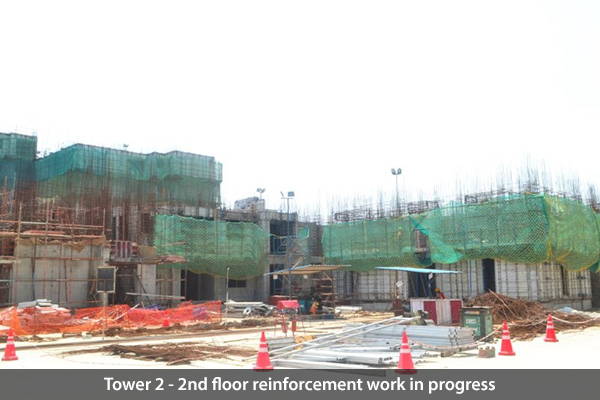
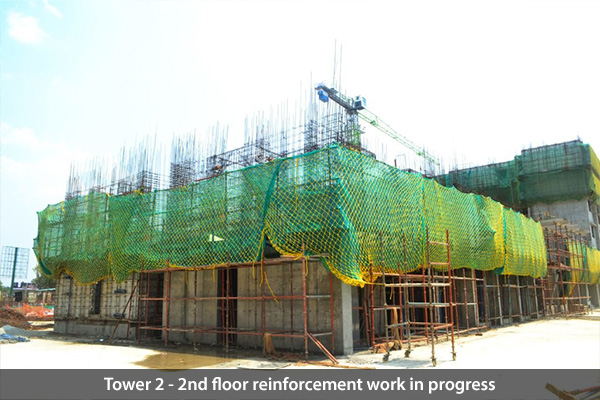
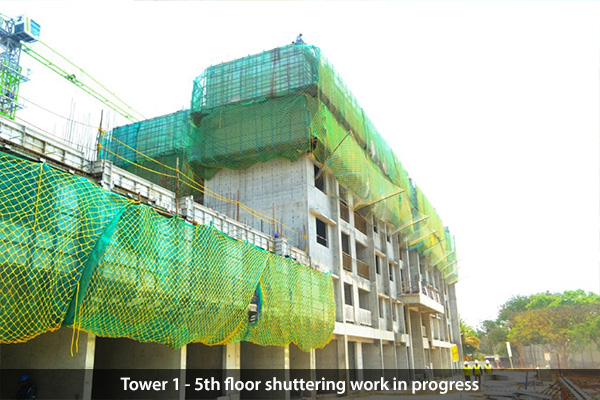
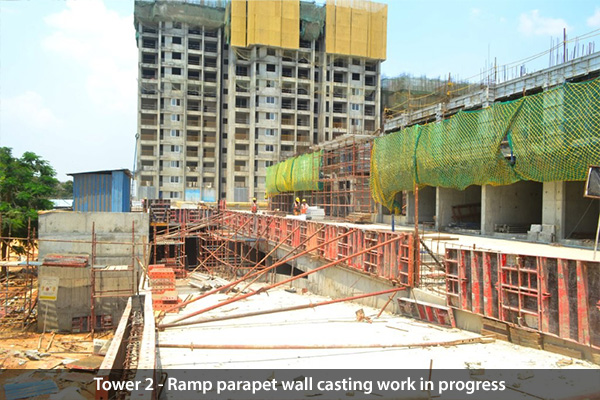
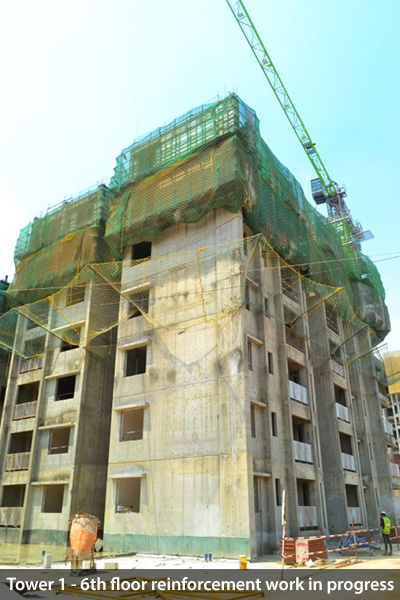
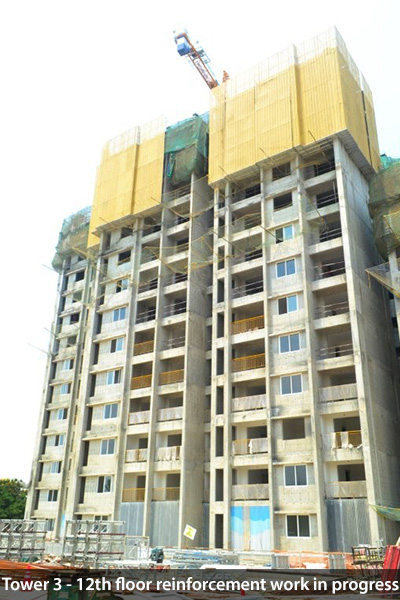
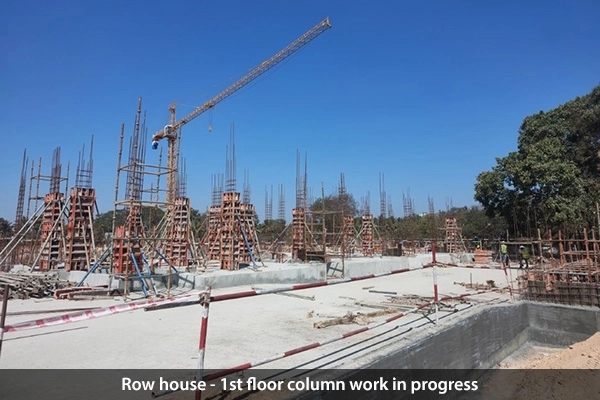
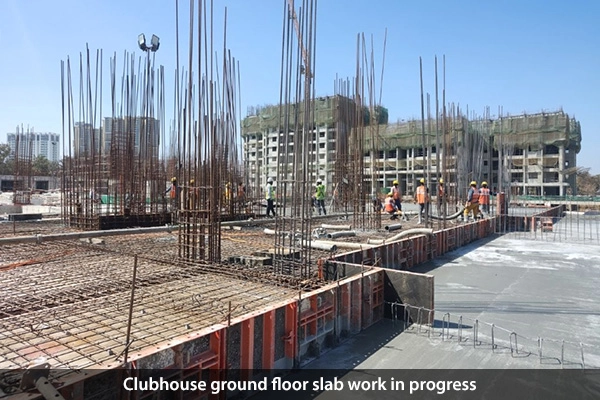
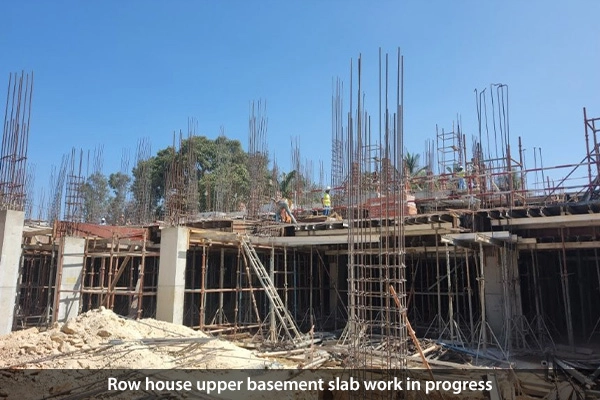
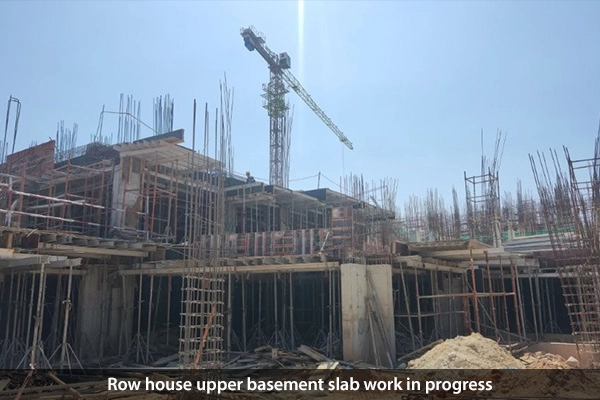
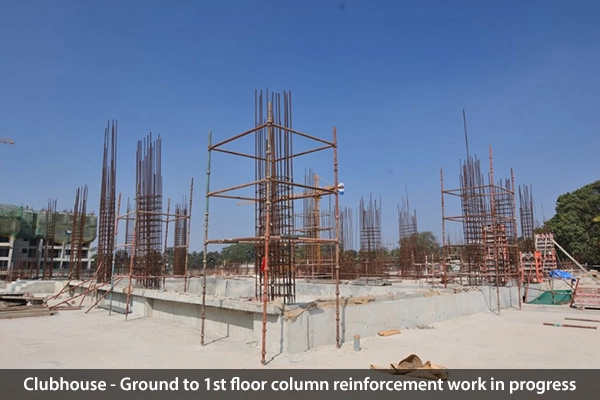
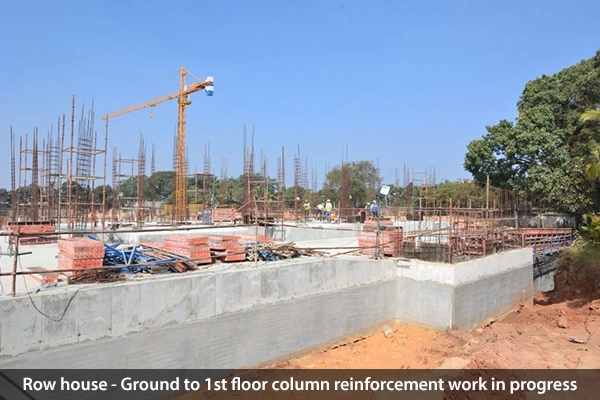
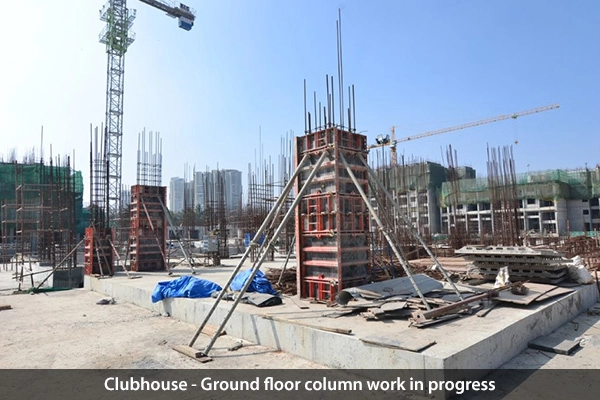
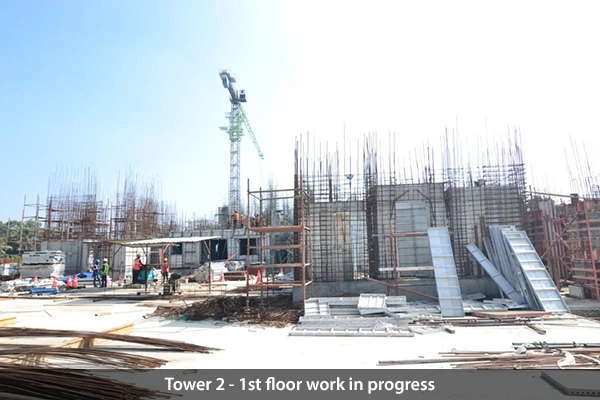
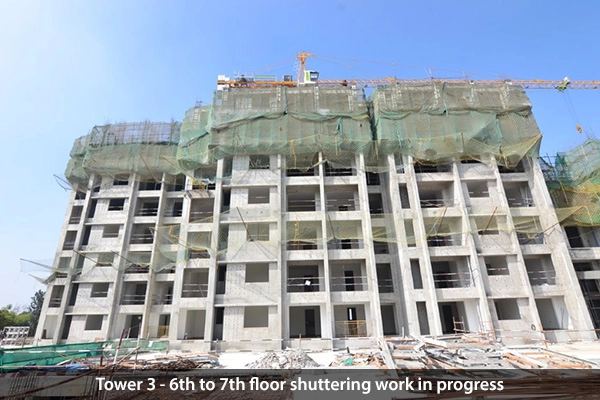
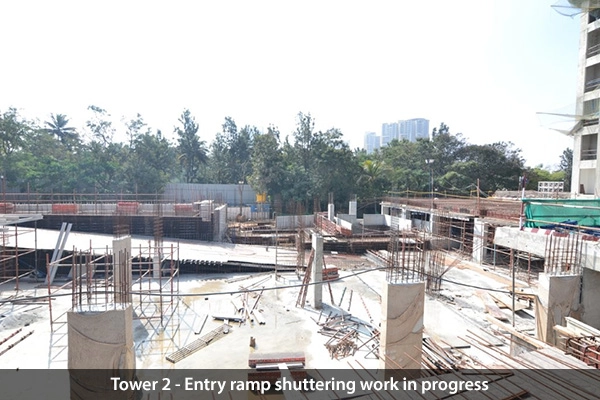
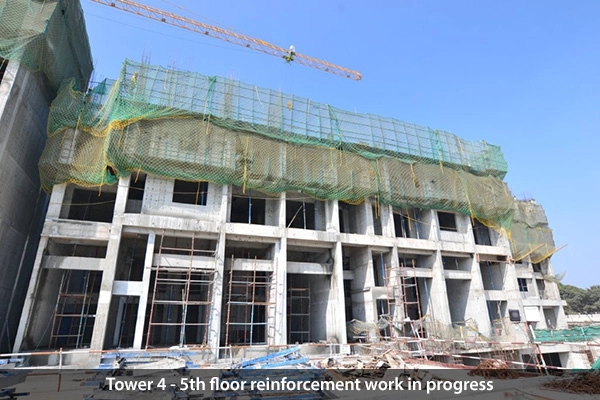
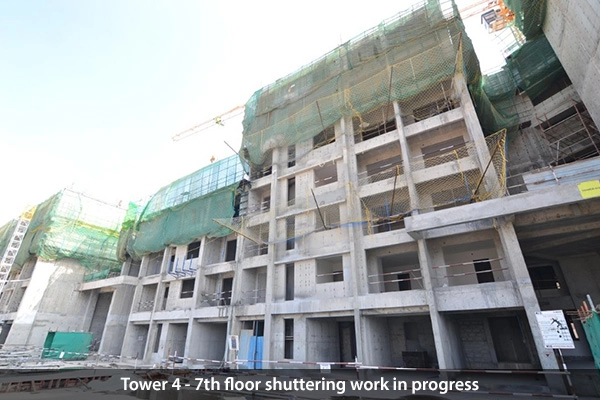
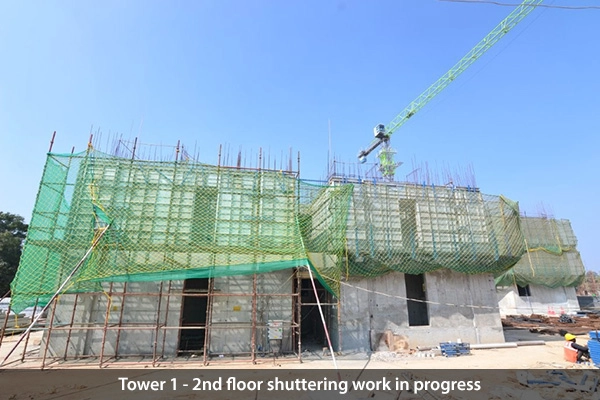
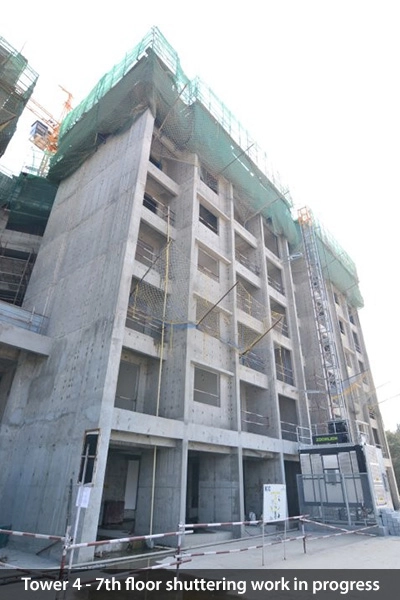
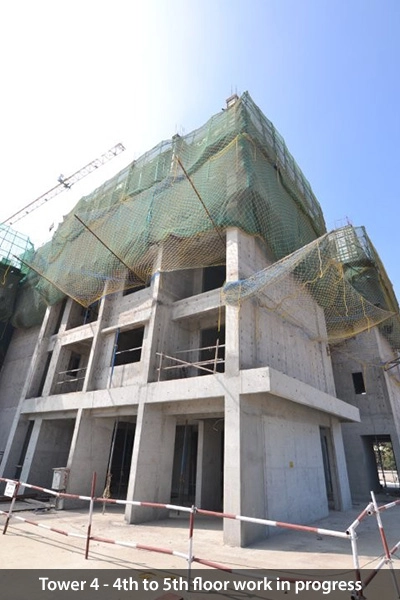
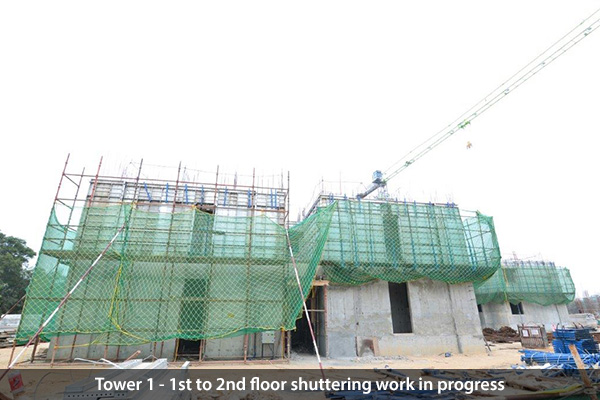
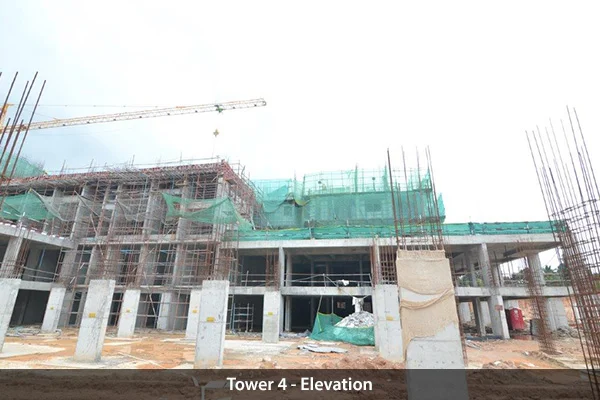
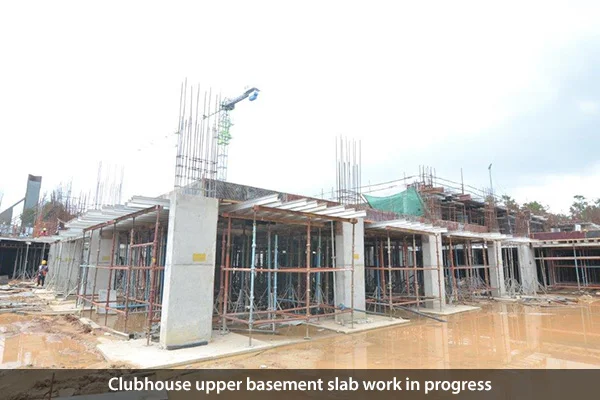
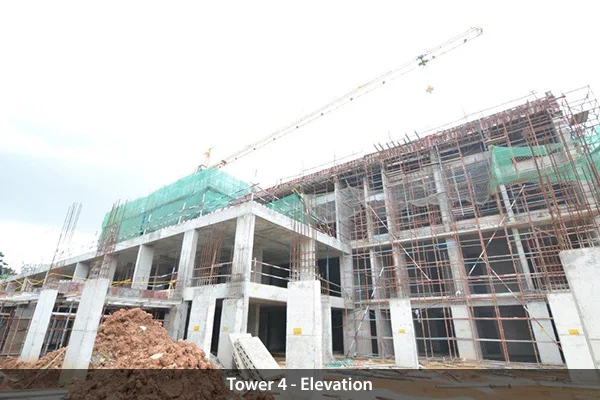
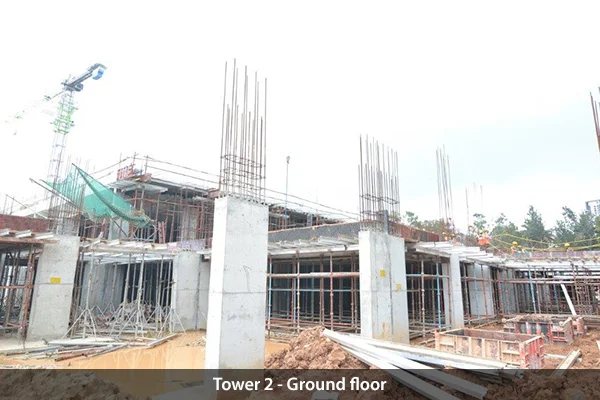
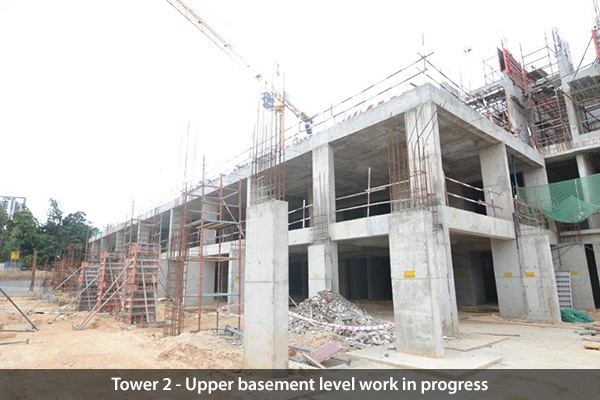
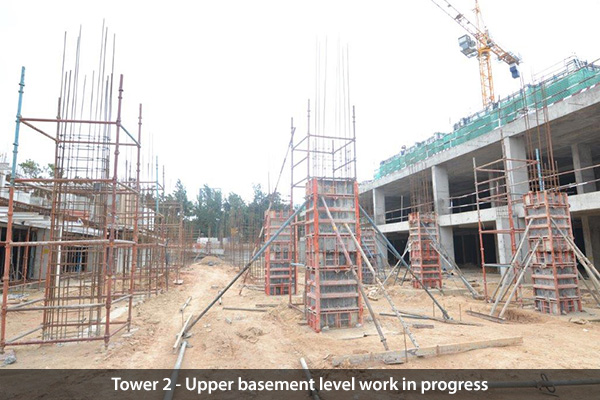
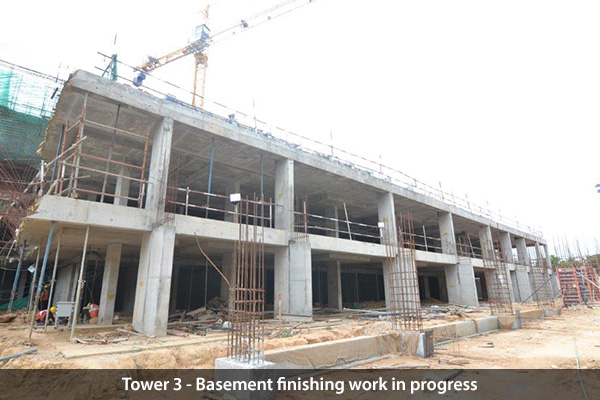
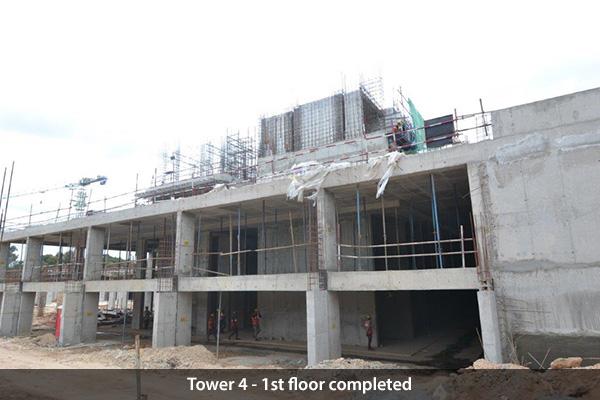
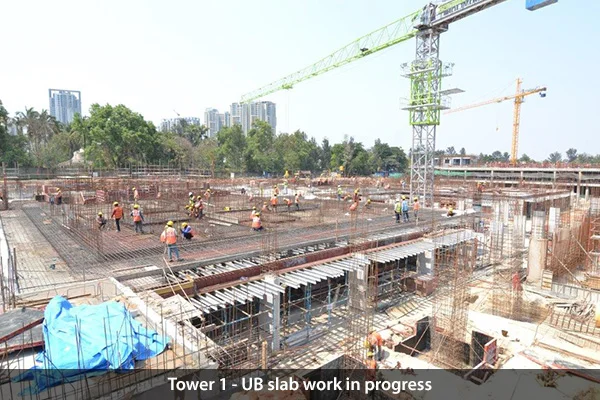
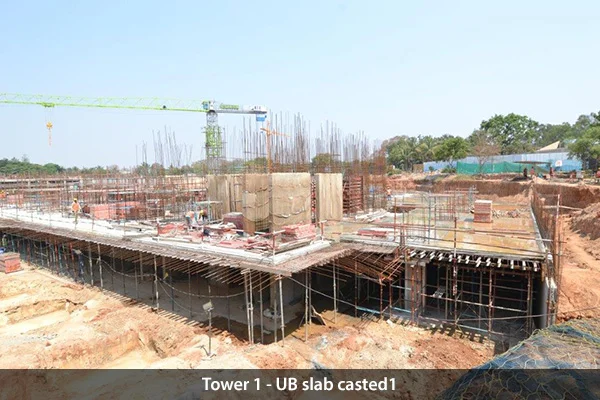
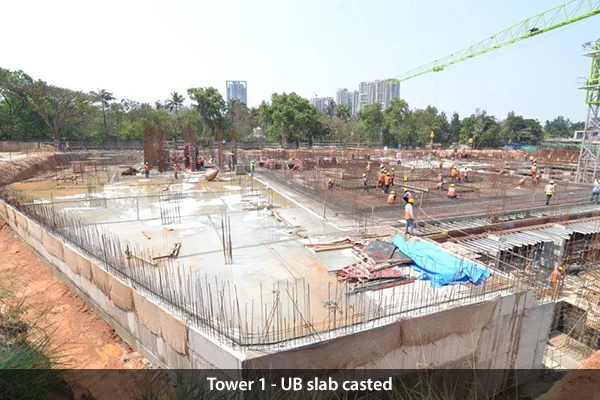
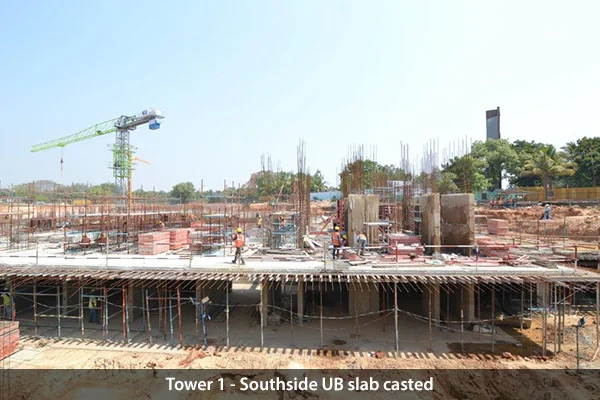
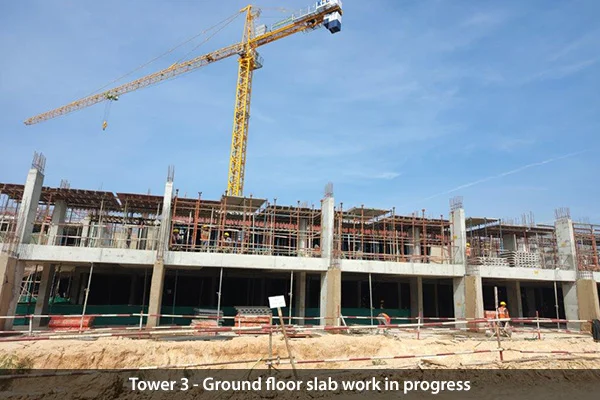
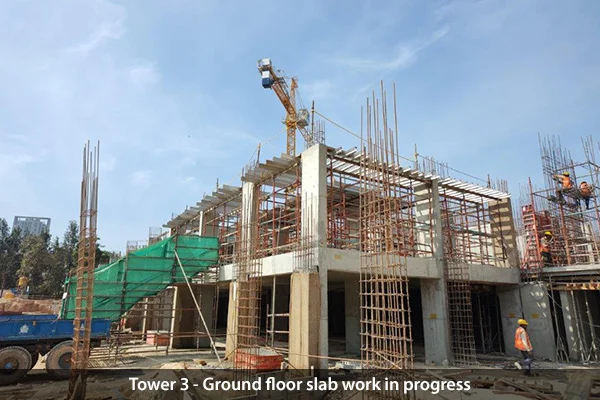
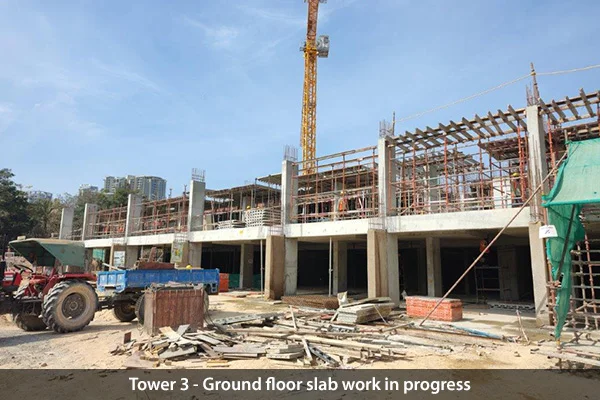
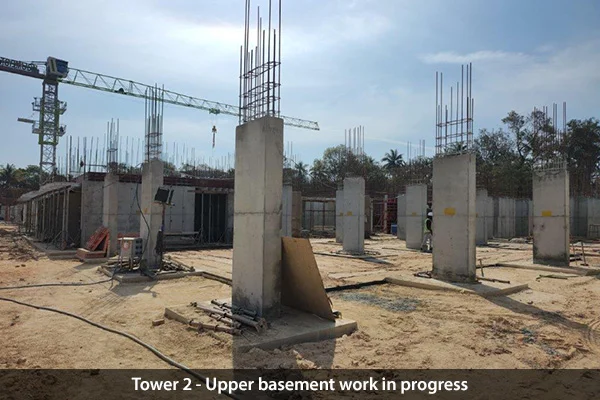
Once approvals are in place, the developer commences construction of the structure. This phase follows a strict timeline governed by the milestones agreed upon in the Joint Development Agreement.
Profit or area sharing ratio
The JDA specifies how the final project will be divided between the two partners. This ratio is typically based on land value relative to total construction cost. This model helps landowners earn returns 1.8-2.5 times higher than those from an outright sale, in most cases.
Final handover of completed units
Upon completion, the developer obtains the Occupation Certificate and hands over the finished units. The landowner receives their designated flats, and the developer sells their share to buyers. Professional management often takes over to maintain the project’s elite standards and amenities.
Key features and components of a JDA
Revenue sharing versus area sharing
In area-sharing, the landowner receives a specific percentage of the constructed flats, typically 40-50 percent in Bangalore. In revenue sharing, the owner receives a fixed percentage of all sales proceeds. Most urban projects under a Joint Development Agreement prefer area-sharing models to provide tangible assets to owners.
Specific Power of Attorney (PoA)
The landowner grants a PoA to the developer to represent them before various authorities. For instance, in Chennai, the registration department charges 1 percent of the property’s market value for this document. It prevents any misuse of authority and protects the interests of future homebuyers.
Security deposit and financial terms
Developers provide upfront deposits or guarantees to landowners, around 5-10 percent of the land value upon signing the initial agreement. It acts as a commitment fee, providing the landowner with immediate liquidity while the project moves through the approval phase.
Clear construction timelines and milestones
Every JDA includes a detailed schedule for completing the various construction phases. These time-bound milestones are critical for tracking progress and preventing unnecessary delays, and they attract financial penalties if the developer fails to meet them.
Termination and dispute resolution clauses
JDAs include specific conditions under which either party can terminate the contract. Arbitration is the preferred method for resolving conflicts, avoiding lengthy and expensive court battles. Under RERA, major changes require the prior consent of at least two-thirds of the total allottees.
Advantages of JDAs for homebuyers
Competitive pricing for new units
Land prices in India’s IT cities have soared by 20-30 percent between 2021 and 2024. Thanks to the Joint Development Agreement, developers do not pay for land up front, so their project entry costs are significantly lower. It often results in competitive prices for premium flats for buyers while maintaining the highest construction standards.
Prime locations in established areas
JDAs often involve old bungalows or ancestral plots in the most coveted city centres. It allows buyers to find modern apartments in fully developed, high-status neighbourhoods with existing facilities. These areas offer better appreciation potential due to their proximity to critical infrastructure and employment hubs.
Faster project approval and clearances
Established developers leverage their professional networks to obtain all necessary government approvals efficiently. The collaborative nature of the deal incentivises both parties to secure all necessary municipal sanctions quickly. Faster approvals lead to a quicker construction start and timely delivery of the luxury project.
Modern amenities and premium infrastructure
In Q3 2025, luxury homes priced over ₹1.5 crore comprised 38 percent of the new housing supply. JDAs are designed to maximise land value, which leads to the inclusion of world-class amenities. Projects typically feature infinity pools, smart home automation and designer clubhouses to attract high-net-worth individuals.
Clearer documentation for home loans
Banks are comfortable funding projects with registered JDAs and clear title histories. Lenders conduct thorough due diligence on the agreement before approving the project for retail home loans.
Transparency through RERA registration mandates
The RERA portal ensures that every aspect of the project remains transparent and accountable. Under this framework, developers must deposit 70 percent of the project funds into a dedicated escrow account. This rule prevents the diversion of funds and ensures that construction never halts due to a lack of capital.
JDA vs Traditional Development
| Parameter | JDA | Traditional Development |
| Transaction Structure | Landowners provide land and developers look after construction. | Direct sale-purchase between seller and buyer. |
| Legal Documents | Includes JDA document, Power of Attorney, | The sale deed is the most important document. |
| Tax Liability | Payable upon issuing Completion Certificate. | Payable at the time of sale deed registration. |
| Legal Risk | Risk is shared between landowner and developer. | The owner carries all financial and legal risks. |
Risks and challenges buyers should be aware of
Title disputes on ancestral land
If the land has multiple heirs, a dispute among them can stall the project indefinitely. Buyers must ensure that all legal heirs of the landowner have signed the Joint Development Agreement.
Conflict between landowners and developers
Disagreements over cost-sharing or the quality of finishes can occasionally occur. For instance, some owners recently faced GST demands of around ₹50 crore for past years. If a conflict escalates, it might lead to a temporary pause in construction or marketing.
Issues with landowner share sales
The landowner’s share typically ranges from 25-50 percent of the developed property or revenue. When buying from a landowner, ensure they have the legal right to sell. Some JDAs restrict landowners from selling their units until the project reaches a certain stage.
Unapproved changes to building plans
Developers might sometimes modify the layout to include more units without the owner’s consent. These changes can lead to the project being declared unauthorised by local town planning authorities.
GST and tax implications under Section 45(5A)
Under Section 45(5A), Joint Development Agreement income tax on capital gains is payable in the year the completion certificate is issued. Additionally, the Joint Development Agreement GST at 18 percent applies to residential projects and is usually paid by the buyer.
Things buyers must check before investing in a JDA project
Verifying RERA registration numbers and JDA documents
Over 99,203 projects are currently registered under RERA, providing buyers with a layer of security. Always check the RERA website to confirm the project’s registration and current status, and ensure the specified JDA matches the one presented to you.
Validating the Power of Attorney
It is the legal bridge that allows the developer to act on the landowner’s behalf. Check if this is “Registered” and “Irrevocable” to ensure the developer has permanent authority. Any expiration or revocation of the PoA can render the transaction with the prospective buyer invalid.
Checking the Supplementary Allocation Agreement
This document clarifies the apartment numbers belonging to the developer and the owner. It prevents the same flat from being sold by both parties. This agreement should be registered along with the main Joint Development Agreement to have full legal standing.
Confirming clear land title deeds
A clear title deed is the primary proof of the landowner’s right to the property, reducing the risk of litigation. Banks usually demand 12-13 years of prior title deeds before sanctioning any home loan. You should conduct an independent title search to ensure there are no existing mortgages or hidden encumbrances.
Reviewing the sanctioned building plans
Verify that the number of floors and the layout match the government-sanctioned blueprints. Any illegal construction can result in the building being denied basic utilities, such as water and electricity.
Validating the Commencement Certificate (CC)
The CC is a mandatory document that allows the developer to begin construction on-site, with processing costs ranging from ₹5,000 to ₹25,000. It confirms that the developer has met all the preliminary requirements to begin physical construction.
Conclusion
A Joint Development Agreement offers strategic advantages for premium buyers seeking value and location. By conducting due diligence and choosing reputable partners like Sattva Group, you can help ensure a balance between legal transparency and long-term growth against your real estate investments.